Skip to content

A carpet can go from “a little overdue” to deeply embedded with dirt faster than most people expect. Mud tracked in at the door, pet accidents that reached the backing, food spills, and months of foot traffic all add up. If you are wondering how to clean heavily soiled carpet without making it look worse, the key is to clean in the right order and to know when a home method has reached its limit.
Heavily soiled carpet is different from carpet that just needs a routine refresh. Dirt settles deep into the fibers, oils cling to the pile, and stains can set below the surface. That means quick fixes usually do not do much, and some common mistakes can actually lock in the soil or leave the carpet sticky enough to attract even more dirt.
How to clean heavily soiled carpet without causing damage
The biggest mistake people make is soaking the carpet first and hoping the machine will handle the rest. On a heavily soiled carpet, that often turns dry soil into mud. It can also push stains deeper and leave too much moisture behind, which slows drying and can create odor problems.
Start by removing as much dry debris as possible. Vacuum slowly and make multiple passes in both directions, especially in traffic lanes and along edges. If the carpet has matted areas, use a carpet brush to lift the pile before vacuuming again. This step matters more than most people think because dry soil acts like grit and keeps the fibers looking dull even after washing.
Next, spot-treat visible problem areas before cleaning the full carpet. High-traffic paths, food spills, and pet spots should be treated individually with a carpet-safe solution. Blot rather than scrub. Scrubbing can fray fibers and spread the stain outward. If you are dealing with pet urine, a standard cleaner may remove the mark while leaving odor in the pad underneath. That is one of those cases where results depend on how deep the contamination goes.
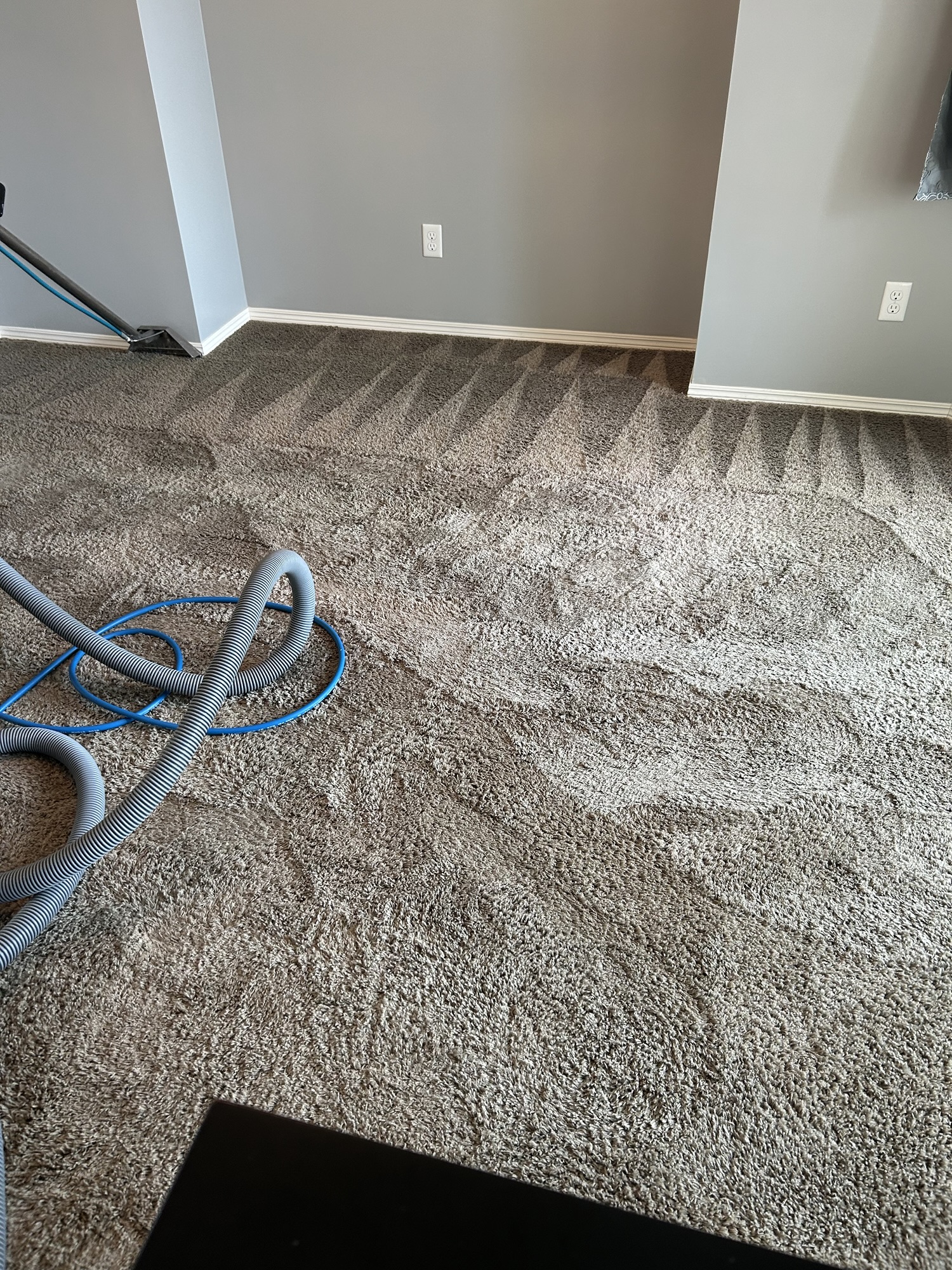
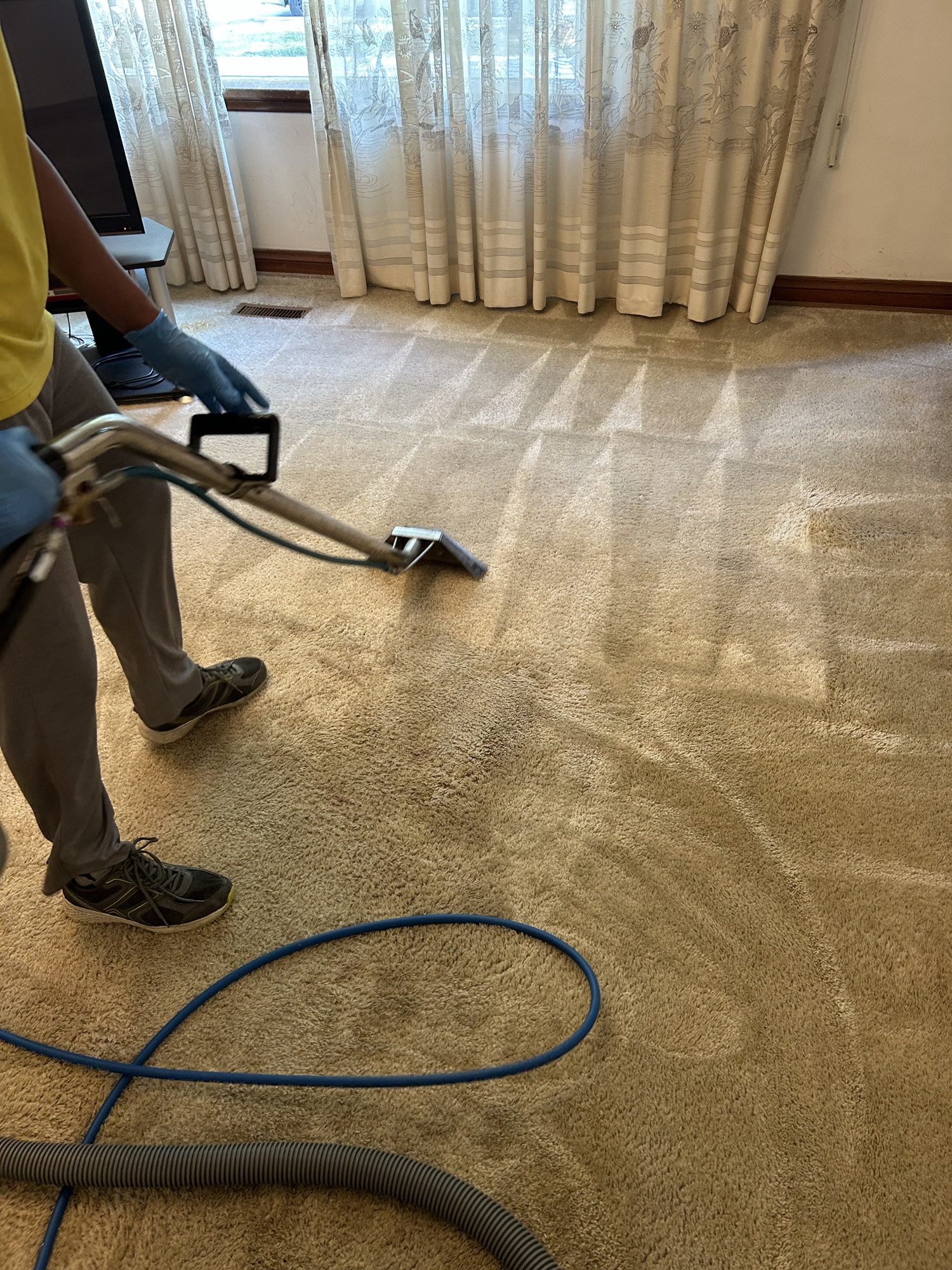
After pre-treatment, use a hot water extraction machine if you have access to one. This is usually the most effective home method for deep carpet cleaning because it rinses as it cleans. Follow the product directions carefully and use less detergent than you think you need. Too much soap is a common problem. The carpet may feel clean at first, but leftover residue attracts dirt quickly and can make the area look dirty again within days.
Work in small sections and do not rush the extraction passes. A slow cleaning pass followed by extra dry passes helps pull out both soil and moisture. If the water in the recovery tank is very dark after the first pass, that tells you the carpet is carrying a lot of buildup. In severe cases, a second cleaning may help, but there is a limit. Repeated wet passes on the same area can over-wet the carpet and backing.
What works best on really dirty carpet
There is no single answer for every carpet because fiber type, age, stain source, and previous cleaning attempts all affect the outcome. Synthetic carpet generally tolerates stronger cleaning than wool or delicate area rugs. Older carpet with worn traffic lanes may clean up only partially because some of the discoloration is wear, not dirt.
That is why it helps to set realistic expectations. Cleaning can remove a lot of soil, odor, and staining, but it cannot reverse fiber damage. If a carpet has been crushed flat over years of use, the appearance may improve without looking brand new. Honest advice matters here because people often assume any remaining dark area means the cleaner failed, when sometimes the issue is permanent wear.
For oily buildup, entryway grime, and heavy traffic lanes, a quality pre-spray designed for carpet soil can make a big difference. Let it dwell for a few minutes, but do not let it dry on the carpet. Dwell time helps break down embedded grime so the extraction step can actually remove it. If you skip that step, you may end up just wetting the surface and pulling out very little from deep in the pile.
For odor, especially pet-related odor, surface cleaning rarely solves the whole problem. If urine has soaked through to the pad or subfloor, the smell can return as the area dries or on humid days. That is when professional treatment is often the smarter choice because the source has to be addressed, not just the visible spot.
Common mistakes when cleaning heavily soiled carpet
Over-wetting is one of the biggest risks. People assume more water means a deeper clean, but too much moisture can leave the carpet damp for far too long. That creates a musty smell, can wick stains back to the surface, and may damage the backing.
Using the wrong product is another issue. Laundry detergent, dish soap, bleach, and all-purpose cleaners are not carpet cleaners. Some leave residue, some strip color, and some can damage fibers. Even carpet shampoo can cause trouble if it is not thoroughly rinsed out.
There is also the temptation to scrub aggressively. It feels productive, but it often roughs up the fibers and spreads the stain. Blotting, gentle agitation, and extraction are safer and more effective.
Rental machines can help, but they have limits. They are useful for moderate soil and general refresh cleaning, yet they may not have enough suction or heat to fully restore a badly neglected carpet. That does not mean they never work. It means the result depends on the condition of the carpet and how carefully the job is done.
When DIY cleaning is enough and when it is not
If the carpet is dirty from tracked-in soil, dull traffic lanes, or recent spills, a careful DIY approach may improve it a lot. The best candidates are carpets that are structurally sound, not holding strong odor, and not saturated with stains that have been there for a long time.
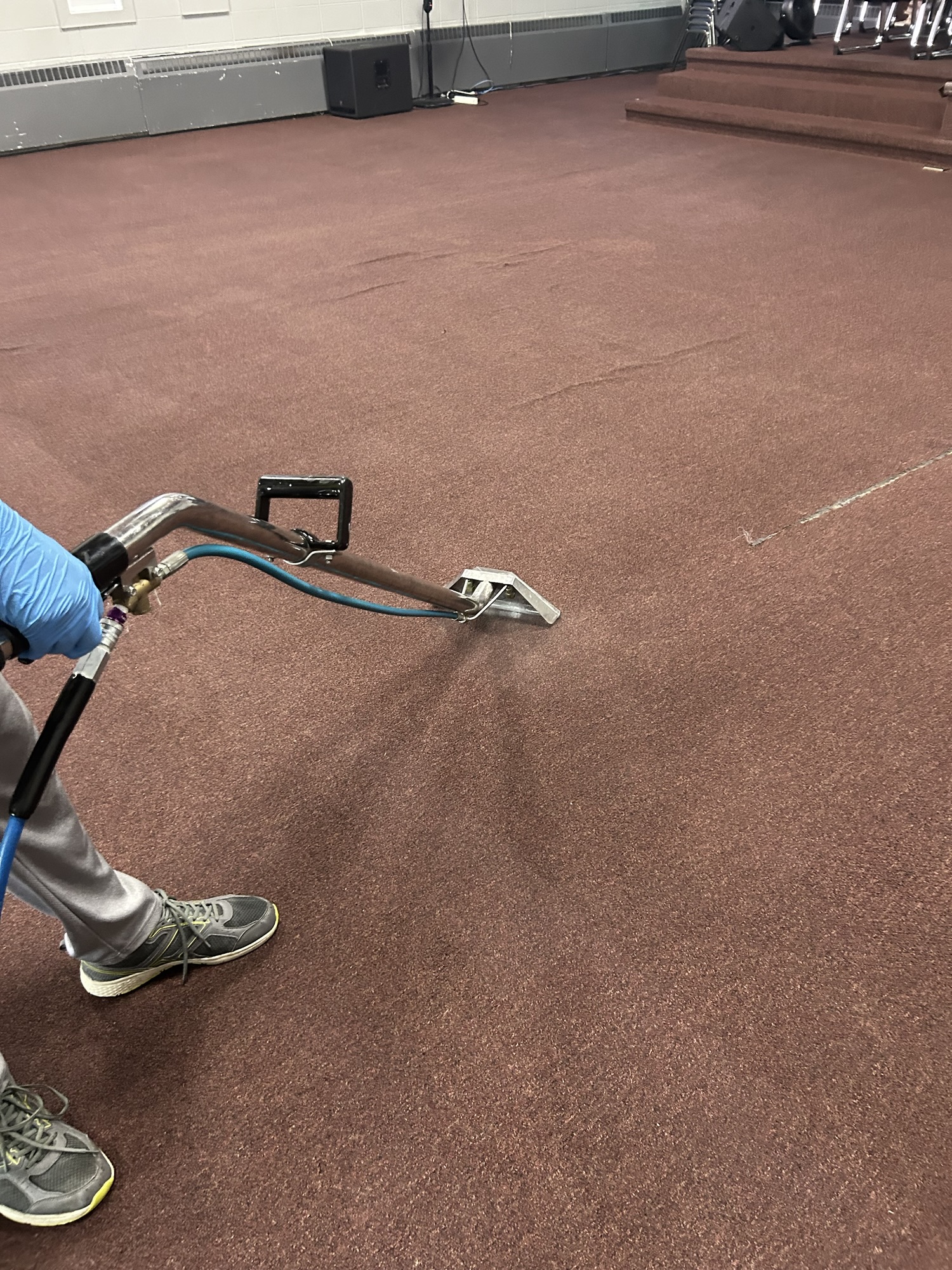
If the carpet has blackened traffic lanes, recurring spots, heavy pet odor, or soil that seems glued into the fibers, professional cleaning is usually the better investment. The same goes for move-in or move-out situations, post-renovation dust, or commercial spaces where appearance matters and downtime needs to be minimized.
A professional service brings stronger extraction, better stain and odor treatment, and faster drying methods. That matters because the goal is not just to wash the carpet. The goal is to remove deep soil, reduce residue, protect the fibers, and leave the carpet fresh enough to stay cleaner longer. For many homeowners and business operators, that saves time, avoids frustration, and delivers a better result on the first try.
In Winnipeg, carpets often take a beating from snow, slush, sand, and daily traffic. That kind of soil does not just sit on top. It gets ground in. Furat Cleaning Systems regularly helps customers who assumed their carpet was beyond saving, only to find that the right deep-cleaning method made a visible difference.
How to keep heavily soiled carpet from getting that bad again
Once the carpet is clean, maintenance becomes much easier than restoration. Vacuuming two or three times a week in high-traffic areas helps prevent soil from settling deep into the pile. Entry mats at doors reduce the amount of grit carried inside. Quick attention to spills matters too, especially for coffee, wine, grease, and pet accidents.
It also helps to schedule deep cleaning before the carpet looks terrible. Waiting until the carpet is heavily soiled means more wear, more embedded debris, and tougher stain removal. Regular professional cleaning can extend the life of the carpet because soil is abrasive. Every step on dirty carpet grinds particles into the fibers.
For homes with kids or pets, or for offices with steady foot traffic, more frequent cleaning usually pays off. Not because the carpet has to look perfect every day, but because it is easier and more affordable to maintain a carpet than to try to rescue one that has been neglected for too long.
If you are facing a carpet that looks dark, smells off, or still feels dirty after vacuuming, start with the basics and clean in the right order. Remove dry soil, treat specific spots, rinse well, and avoid over-wetting. And if the carpet still is not coming back, that does not always mean it is ruined. Sometimes it just means the job needs deeper equipment, better stain treatment, and experienced hands.