Skip to content


A lobby floor that looks dull by 10 a.m., restroom odors that keep coming back, carpet traffic lanes that never seem fully clean – these are usually signs of a maintenance problem, not just a one-time cleaning issue. A strong commercial cleaning maintenance guide helps business owners and facility managers keep spaces consistently clean, protect surfaces, and avoid the bigger cost of neglect.
Cleanliness in a commercial space does more than improve appearance. It shapes how customers judge your business, how employees feel during the workday, and how long your flooring, furniture, and high-touch surfaces last. The right maintenance plan is not about cleaning everything harder. It is about cleaning the right things at the right frequency with the right methods.
What a commercial cleaning maintenance guide should actually do
A useful plan should give you more than a checklist. It should help you match cleaning frequency to traffic, soil level, and surface type. An office with light foot traffic has different needs than a retail store entrance, a medical-adjacent waiting area, or a lunchroom that sees heavy daily use.
That is where many businesses waste money. They either under-clean and end up with permanent wear, odor, and buildup, or they over-clean low-priority areas while high-impact zones keep deteriorating. A good maintenance guide creates balance. It keeps your building presentable every day while scheduling deeper service before surfaces reach the point where restoration becomes harder and more expensive.
Start with traffic, not guesswork
The most reliable cleaning schedules begin with one simple question: where does dirt enter, collect, and spread? In most commercial spaces, the answer starts at entrances and moves outward into hallways, waiting areas, break rooms, restrooms, and shared workstations.
High-traffic areas need attention far more often than back offices or low-use rooms. Entry mats, hard floors near doors, elevator zones, and carpet walk paths take the first hit from moisture, grit, salt, and debris. If these areas are not maintained properly, dirt gets tracked deeper into the building and every other cleaning task becomes harder.
This is why frequency should never be one-size-fits-all. Daily service may be necessary in some areas, while weekly or monthly care may be enough elsewhere. It depends on occupancy, weather, flooring type, and the kind of work happening in the building.
The surfaces that usually need the most protection
Commercial floors absorb most of the abuse. Carpet traps dry soil, allergens, spills, and odor. Tile and grout hold onto grime in textured surfaces and joints. Vinyl and other hard floors lose their finish gradually, then suddenly look worn all at once. Upholstered chairs in reception areas and offices can also collect body oils, dust, stains, and odors that are easy to ignore until the whole room feels less fresh.
Maintenance works best when these surfaces are treated before visible damage sets in. Once grit starts cutting into carpet fibers or floor finish wears down completely, routine cleaning alone may not reverse the problem.
Daily cleaning keeps buildup from becoming damage
Daily maintenance is your control layer. It handles the messes that can quickly become long-term issues if they are left alone. This usually includes vacuuming high-traffic carpet, removing visible debris from hard floors, disinfecting shared touchpoints, spot-cleaning spills, and keeping restrooms and break areas sanitary.
The key is consistency. A spill cleaned right away is simple. A spill that sits in carpet, grout, or upholstery can become staining, odor, or discoloration. The same goes for tracked-in dirt. What looks harmless at the end of one day can grind into floor fibers and finishes over the course of a week.
For many businesses, daily cleaning should also include a quick visual inspection. Are entry mats still effective, or saturated and dirty? Are corners collecting dust? Are restroom floors staying dry and safe? Small observations like these help prevent larger maintenance failures.
Weekly and monthly work is where appearance is protected
Daily cleaning handles immediate mess. Weekly and monthly service protects the condition of the building over time. This is where many businesses either save their surfaces or slowly lose them.
A weekly routine may include more detailed vacuuming, edge work, damp mopping with the correct product, spot treatment for carpet and upholstery, and closer attention to smudges, buildup, and overlooked corners. Monthly tasks often involve machine scrubbing, buffing, detailed floor care, deeper restroom treatment, and targeted cleaning in areas where soil quietly accumulates.
This is also the right window to assess whether your maintenance program is working. If floors still look dull after routine care, the issue may be finish wear rather than dirt. If carpet still smells after surface cleaning, you may be dealing with embedded soil or moisture-related odor. If grout never looks clean, the buildup may be below the level routine mopping can handle.
Deep cleaning is not optional
One of the biggest mistakes in commercial maintenance is treating deep cleaning as something extra rather than essential. Routine service keeps conditions stable, but it does not remove all embedded soil, restore worn surfaces, or reset problem areas.
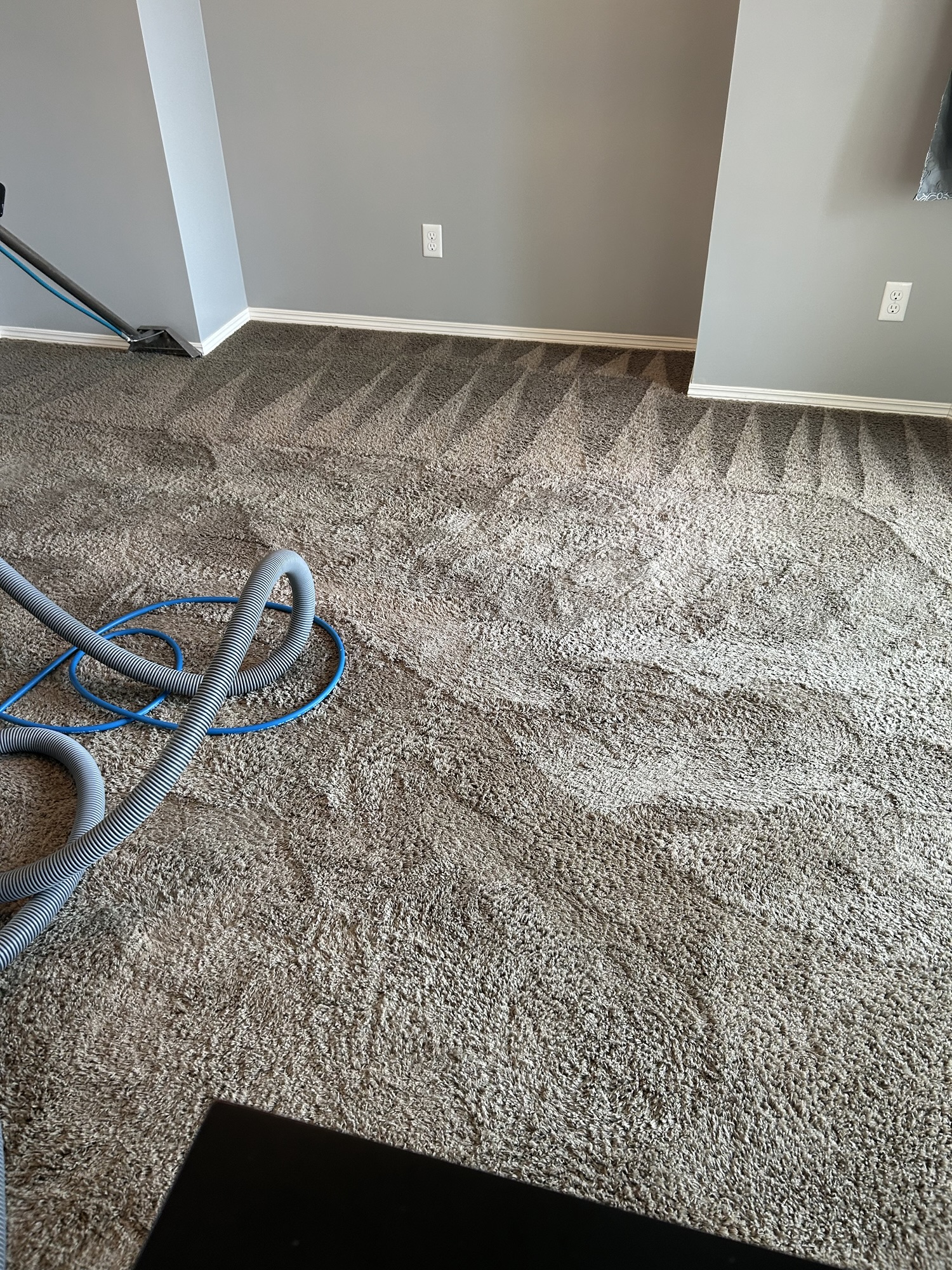
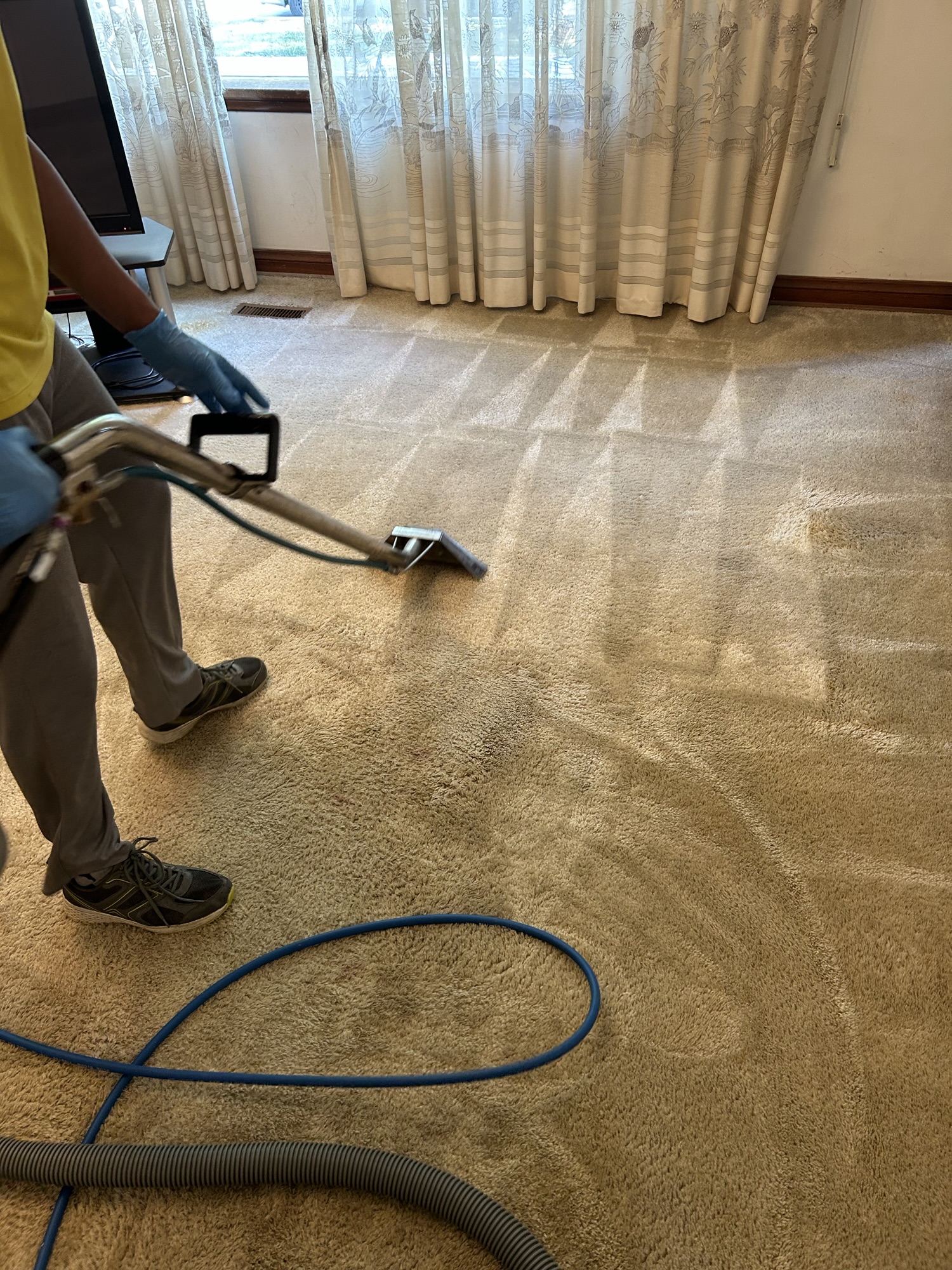
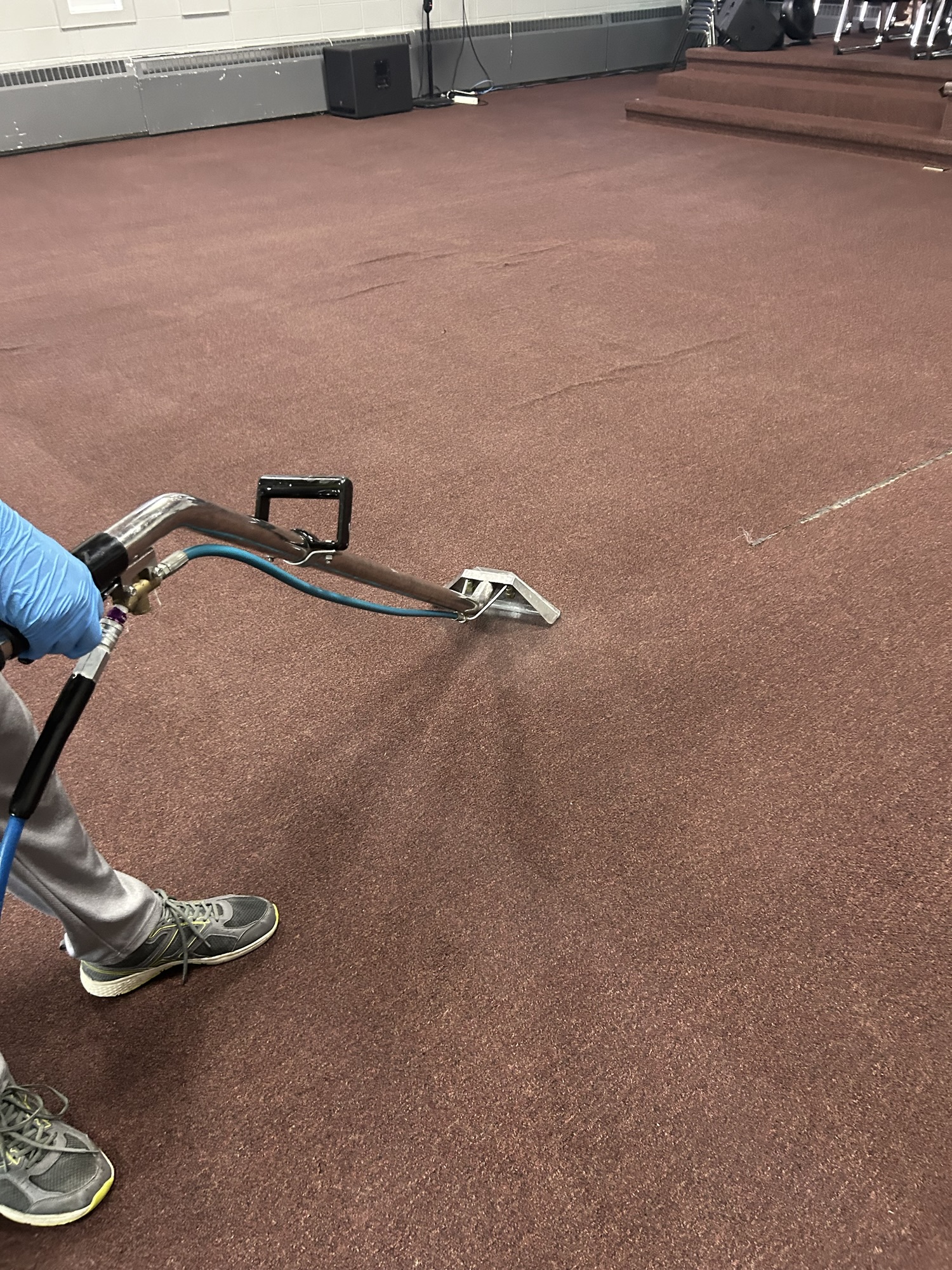
Carpet benefits from periodic hot water extraction or low-moisture professional cleaning, depending on the setting and drying requirements. Hard floors may need scrubbing, stripping, sealing, or waxing based on the material and wear pattern. Tile and grout often require specialized cleaning to lift compacted dirt from pores and joints. Upholstery needs deep cleaning too, especially in spaces where clients, staff, or patients spend time seated throughout the day.
The timing depends on use. A small office may need deep carpet cleaning far less often than a customer-facing business with constant foot traffic. There is no benefit in cleaning on a rigid calendar if conditions do not call for it, but waiting until surfaces look obviously bad usually means you waited too long.
Choose methods that fit the surface and the business
Not every cleaning product or machine is safe for every material. That sounds obvious, but it is one of the most common reasons commercial surfaces age early. The wrong chemical can dull a finish, leave residue, damage fibers, or make floors attract more soil than before.
This is especially important for businesses that want a cleaner, healthier environment without harsh chemical smell or long drying times. Eco-friendly products and fast-drying methods can be a better fit in active workplaces, but only if they still deliver the level of cleaning your facility needs. Results matter. Safety matters too. The right balance depends on the building, the surfaces, and how quickly the space must be ready for normal use again.
A dependable service provider should be able to explain that trade-off clearly. Some areas need restorative power. Others need low disruption. The best maintenance plans account for both.
The hidden cost of waiting too long
Deferred cleaning rarely saves money for long. It usually shifts cost from maintenance into repair, replacement, or emergency service. Carpet that could have lasted longer gets replaced early. Floor finish breaks down and exposes the material underneath. Odors settle in. Stains become permanent. Customers notice. Employees notice too.
There is also an operational cost. A neglected building creates more complaints, more reactive cleanup, and more time spent managing avoidable issues. Clean spaces are easier to maintain, easier to present, and easier for staff to work in every day.
For property managers and business owners, that is the real value of a structured maintenance plan. It protects appearance, supports indoor health, and keeps cleaning predictable instead of stressful.
Building your commercial cleaning maintenance guide
If you are creating or improving your plan, start with a walk-through of the building. Identify high-traffic zones, flooring types, problem areas, seasonal concerns, and surfaces that affect customer perception first. Then separate tasks into daily, weekly, monthly, and periodic deep cleaning categories.
Be realistic about your building. A schedule that looks efficient on paper can fail fast if it does not match actual use. Winnipeg businesses, for example, often deal with added moisture, salt, and grit during harsher weather, which can change what entrance and floor care need from one season to the next.
It also helps to work with a company that sees the whole picture – carpet, upholstery, hard floors, odor issues, and restorative cleaning when routine maintenance is no longer enough. That kind of full-service support makes it easier to keep standards consistent instead of patching together different solutions as problems appear.
A clean commercial space should not feel like a constant recovery project. When maintenance is planned properly, your floors last longer, your building looks better, and the next cleaning issue is usually smaller than the last. That is the kind of consistency people notice, even when they do not say a word.