Skip to content

You just had your carpets cleaned, the room looks better, the air feels fresher, and then the practical question hits – how long does carpet cleaning take to dry? For most homes, carpet dry time falls somewhere between 4 and 12 hours, but that range can shift based on the cleaning method, carpet thickness, airflow, humidity, and how heavily soiled the carpet was before cleaning.
That short answer helps, but it does not tell you whether your living room will be ready by dinner, whether kids can play on it tonight, or whether your office can get back to normal by the next business day. Drying time matters because clean carpet is only part of the job. A professional result should also leave you with carpet that dries as quickly and safely as possible.
How long does carpet cleaning take to dry in real homes?
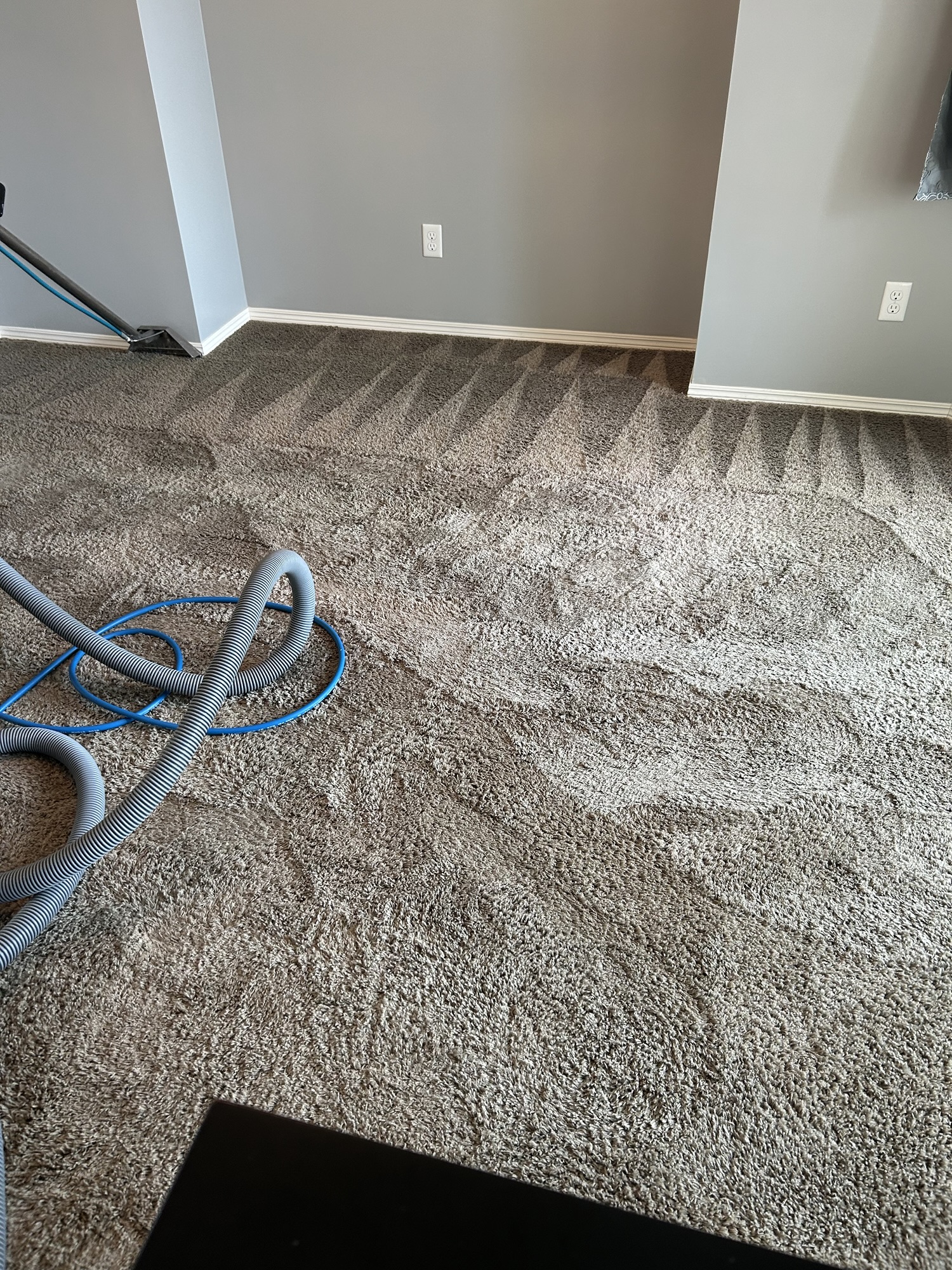
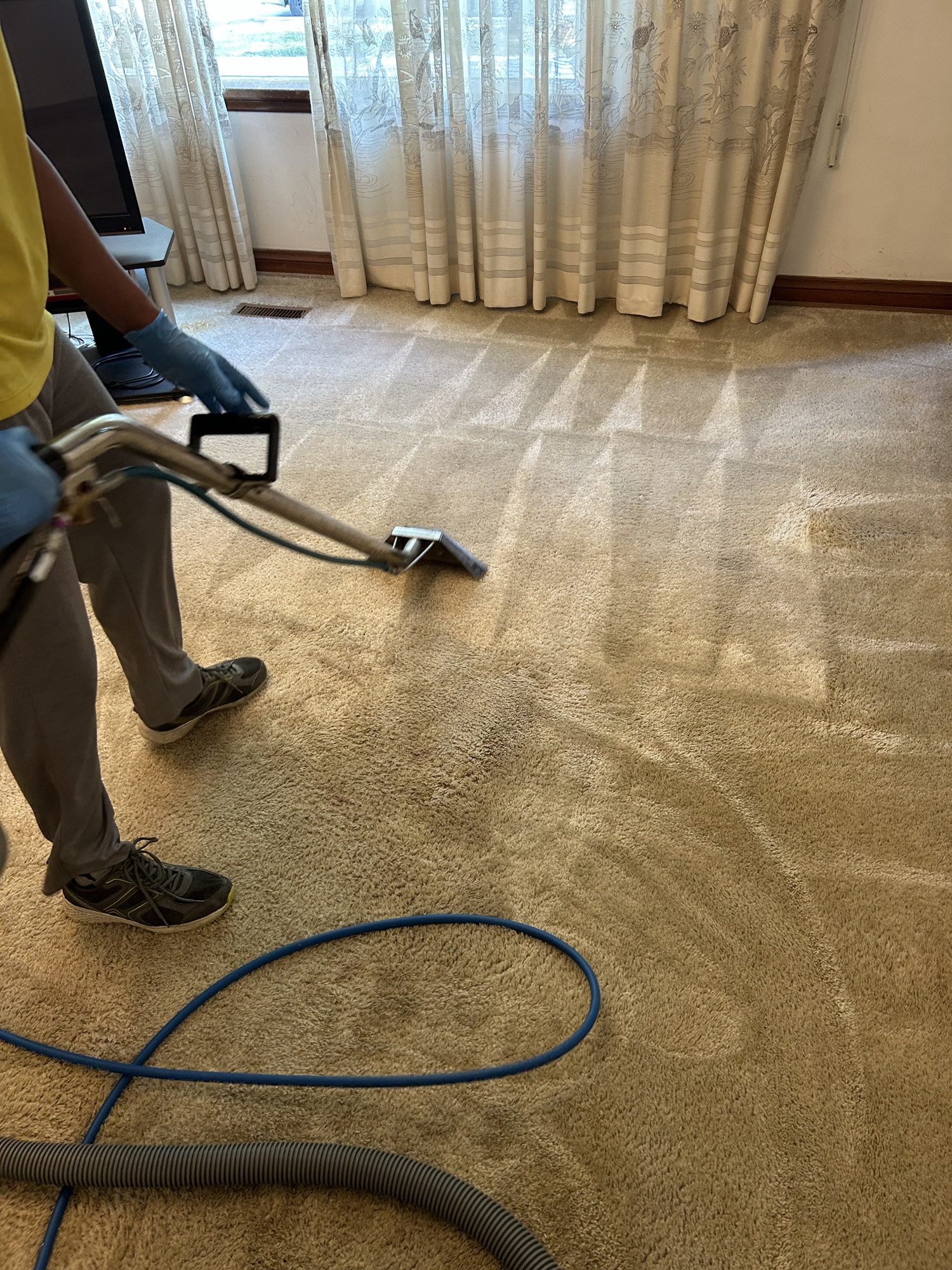
In real-world conditions, most professionally cleaned carpets are dry enough for light use within several hours and fully dry by the same day or overnight. If a cleaner uses a low-moisture process, the carpet may dry in 1 to 4 hours. If hot water extraction is used, which is common for deep cleaning, it is more realistic to expect 6 to 12 hours, and sometimes up to 24 hours in harder drying conditions.
The reason there is no one-size-fits-all answer is simple. Carpet is not a flat, hard surface. It has fibers, backing, padding, and varying levels of soil trapped inside. A lightly soiled synthetic carpet in a well-ventilated home dries much faster than a thick carpet in a humid basement or a space that needed extra treatment for pet odors or heavy traffic lanes.
For homeowners and renters, this usually means planning around the room for part of the day. For business owners and property managers, it means scheduling service at a time that allows enough drying time before full foot traffic resumes.
What affects carpet drying time?
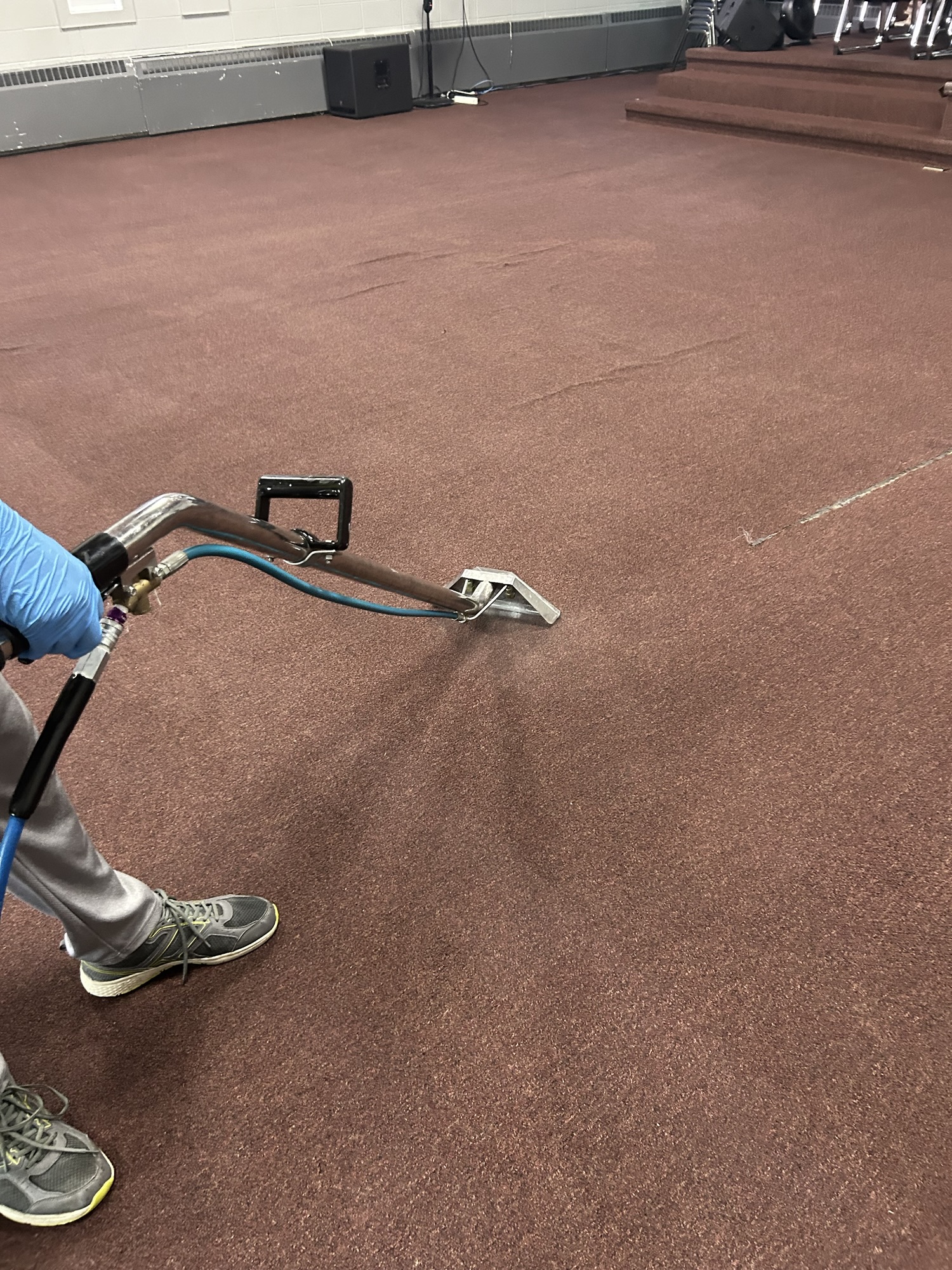
The biggest factor is the cleaning method. Low-moisture cleaning uses less water, so it naturally dries faster. Hot water extraction, often called steam cleaning, reaches deeper into the carpet to remove embedded dirt, allergens, and residues, but it also introduces more moisture. When done properly with strong extraction equipment, it still dries reasonably fast, but not as fast as a low-moisture approach.
Carpet type also matters. Dense, plush carpet tends to hold more moisture than low-pile commercial carpet. Wool can behave differently from synthetic fibers and may require a more careful drying process. Area rugs and specialty rugs can also have longer dry times depending on construction and backing.
Humidity in the home or building plays a major role. On a dry day with fans running and windows managed properly, carpets dry much faster. In a humid environment, moisture lingers in the fibers and backing. Winnipeg customers often notice seasonal differences. A carpet cleaned during a dry winter day with indoor heat circulating may dry much faster than one cleaned during a sticky summer stretch.
Air movement is just as important as temperature. A warm room without airflow can still dry slowly. A cooler room with steady fan circulation may dry more efficiently. Good professional cleaning includes not just cleaning skill, but attention to how quickly the carpet can recover afterward.
Soil level changes dry time too. Heavily soiled carpets often need more passes, more flushing, and sometimes targeted treatment for stains, pet accidents, or odor problems. That deeper restorative work is worth it, but it can add time to the drying process.
Drying times by cleaning method
If you want the clearest expectation, it helps to look at drying time by method rather than relying on one generic estimate.
Low-moisture carpet cleaning often dries in 1 to 4 hours. This method is useful when fast turnaround is a priority, especially in commercial settings or in homes where people need to use the room again quickly. The trade-off is that not every carpet problem is best solved with a low-moisture method alone, especially when deep soil, odor, or residue removal is the main goal.
Hot water extraction usually dries in 6 to 12 hours, though 24 hours is possible in thicker carpet or poor drying conditions. This is often the better choice for deeper cleaning, especially in homes with pets, kids, allergies, or visible buildup in traffic areas. It takes longer to dry, but it typically delivers a more thorough reset.
Specialized rug cleaning can vary quite a bit depending on the fiber and treatment used. Some rugs can be returned with a controlled dry time, while others need more careful handling because of shrinkage risk, dye concerns, or material sensitivity.
This is why professional advice matters. The fastest method is not always the best method. The right method is the one that matches the carpet’s condition, fiber type, and the customer’s priorities.
How to help carpet dry faster
Once the cleaning is done, a few simple steps can make a noticeable difference. Keep air moving through the room with ceiling fans, floor fans, or the HVAC system running. If weather conditions help rather than hurt, controlled ventilation can also speed drying.
Try to keep the indoor temperature comfortable and steady. Extremely cool rooms tend to slow evaporation. If the carpet has just been cleaned, avoid shutting the room off completely with no airflow.
Limit foot traffic until the carpet is mostly dry. Walking on damp carpet not only slows the process in compressed areas, but can also transfer soil back onto freshly cleaned fibers. If you need to cross the room, clean socks are better than shoes, especially outdoor shoes.
Do not place furniture directly back onto damp carpet unless the cleaner has provided protection tabs or blocks. Wood and metal furniture can transfer stain or rust, and trapping moisture under furniture can leave damp spots that take much longer to dry.
If the carpet still feels cool or slightly damp after several hours, that is not always a problem. Dampness does not mean the cleaning failed. It usually means the remaining moisture just needs more time and airflow.
When should you be concerned?
A damp carpet right after professional cleaning is normal. A carpet that is still noticeably wet the next day may deserve a closer look, especially if there is poor airflow, unusually high humidity, or a very thick carpet involved. If you notice a musty smell developing instead of a fresh, clean smell, it is worth checking in with your cleaning company.
The difference between damp and overly wet matters. Damp carpet fibers that continue drying over several hours are expected. Carpet that feels saturated, squishes underfoot, or stays wet for too long may point to over-wetting or inadequate extraction.
A dependable cleaning company should be able to explain the expected dry time for your specific carpet and method, not just give a vague estimate. That is part of professional service. Customers should know what to expect before the appointment starts.
Planning around carpet dry time
If you are cleaning before guests arrive, before moving furniture back, or before reopening a workspace, it is smart to give yourself some cushion. Morning appointments are often easier because they allow the full day for drying. If the carpet is heavily soiled or needs pet odor treatment, ask for a realistic timeline instead of assuming it will be ready in a few hours.
For homes with children or pets, planning matters even more. You want the carpet clean, but you also want the space usable again without frustration. For offices and commercial spaces, dry time affects workflow, safety, and appearance, so scheduling should support those needs rather than create a scramble afterward.
At Furat Cleaning Systems, fast drying is part of what customers value, but not at the expense of deep cleaning results. The goal is a carpet that looks refreshed, feels clean, and returns to normal use as quickly as conditions allow.
The bottom line on how long carpet cleaning takes to dry
If you are asking how long does carpet cleaning take to dry, the most honest answer is that most carpets dry in 4 to 12 hours, with some drying faster and some taking up to 24 hours. The method used, the carpet itself, and the room conditions all play a part.
A good cleaning should never leave you guessing. When the process is done properly, you get more than a cleaner carpet. You get clear expectations, better indoor freshness, and a space that gets back to normal without unnecessary delays. If you are booking professional carpet cleaning, ask about dry time before the appointment so the result works for your schedule as well as your carpet.